Community Scientist: Dominic Lentini
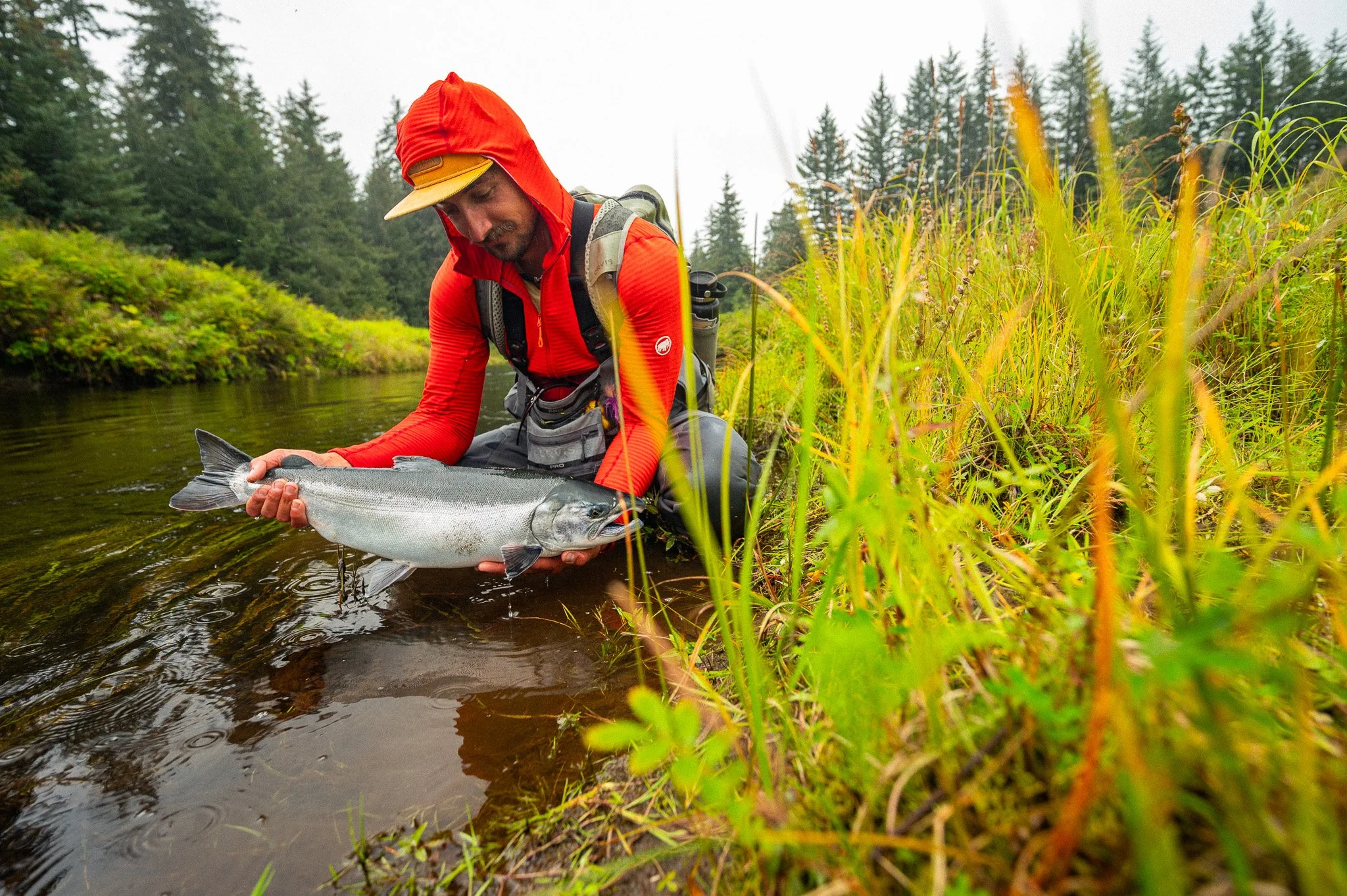
Dominic Lentini with a beautiful coho salmon on the fly.
How one angler’s lens reveals a deeper connection to rivers
For someone who works in the fly fishing industry and has guided professionally, Dominic Lentini’s Instagram account is noticeably light on grip-and-grin shots. They’re certainly there, but a scroll down his photos reveals much more stunning fishing shots—like a macro image of the pelvic fin of a Yellowstone cutthroat trout. Or even a close-up of a fish’s eye. The perspectives reveal Lentini’s deep and varied relationship to the rivers he fishes—including the Swift and Saco Rivers, where he samples for Science on the Fly as a community scientist.
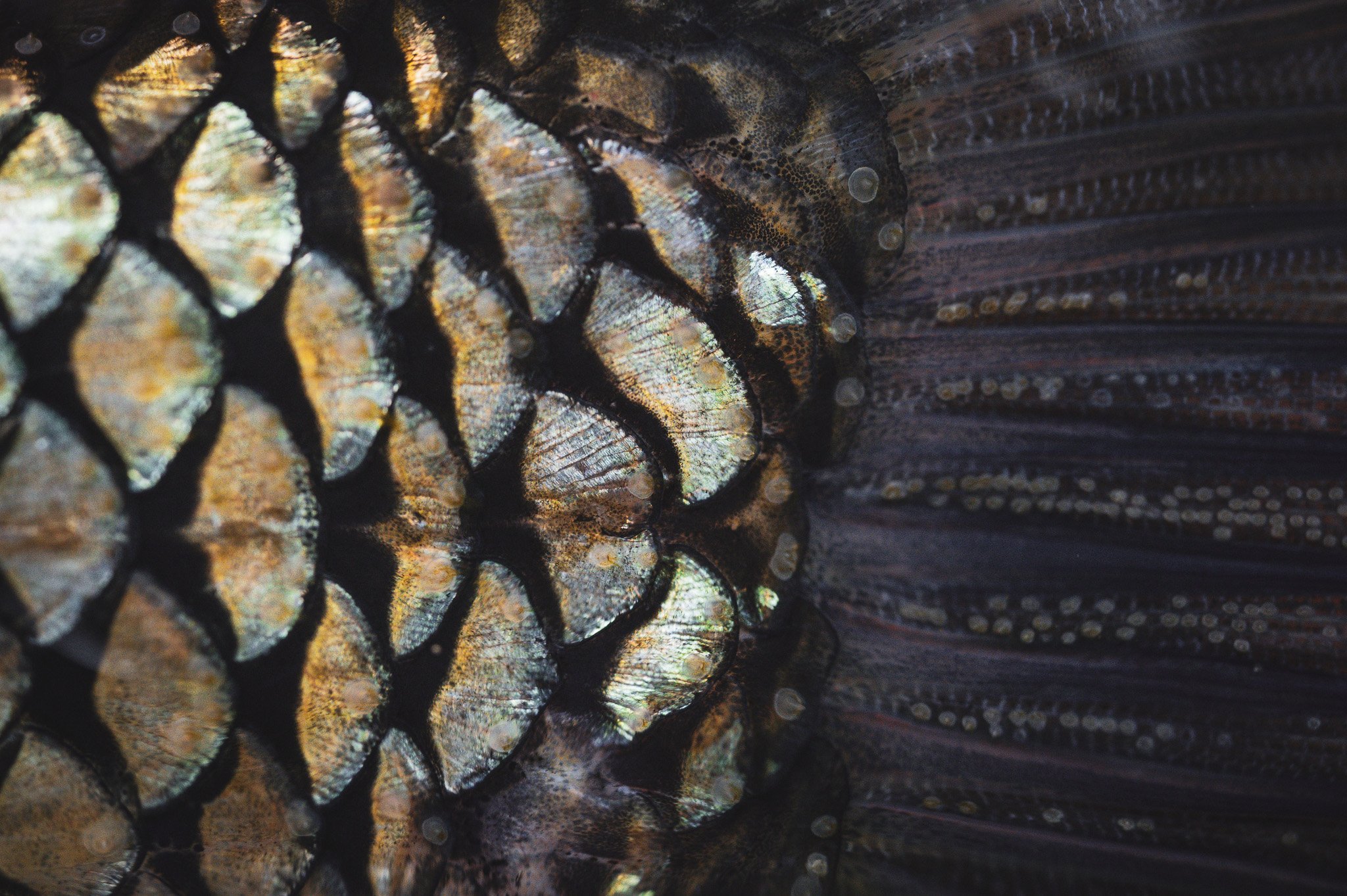
Dominic’s photography highlights the rich colors and textures of the fish, from fins and scales to eyes and gills. Photo by Dominic Lentini.
Coming home and getting involved
Born and raised in North Conway, N.H., Lentini says he took his hometown for granted, like many young people. “Teenage angst makes for silly decision making,” he says. It took moving away for school to realize exactly how special the area is. A remote job with fly manufacturer Fulling Mill lets him pursue his life there now, and he’s been sampling the Saco River, downstream from the confluence of the Swift and Saco, since 2021.
“At the time, I was a part-time fly fishing guide and had just started with Fulling Mill,” he says. “Water is the connective element that allows me, and so many of us around the world, to find our way through life. Without quality data on our rivers, we’re flying blind in what are extremely turbulent times. So, I thought this was a good first step for me in doing my part.”
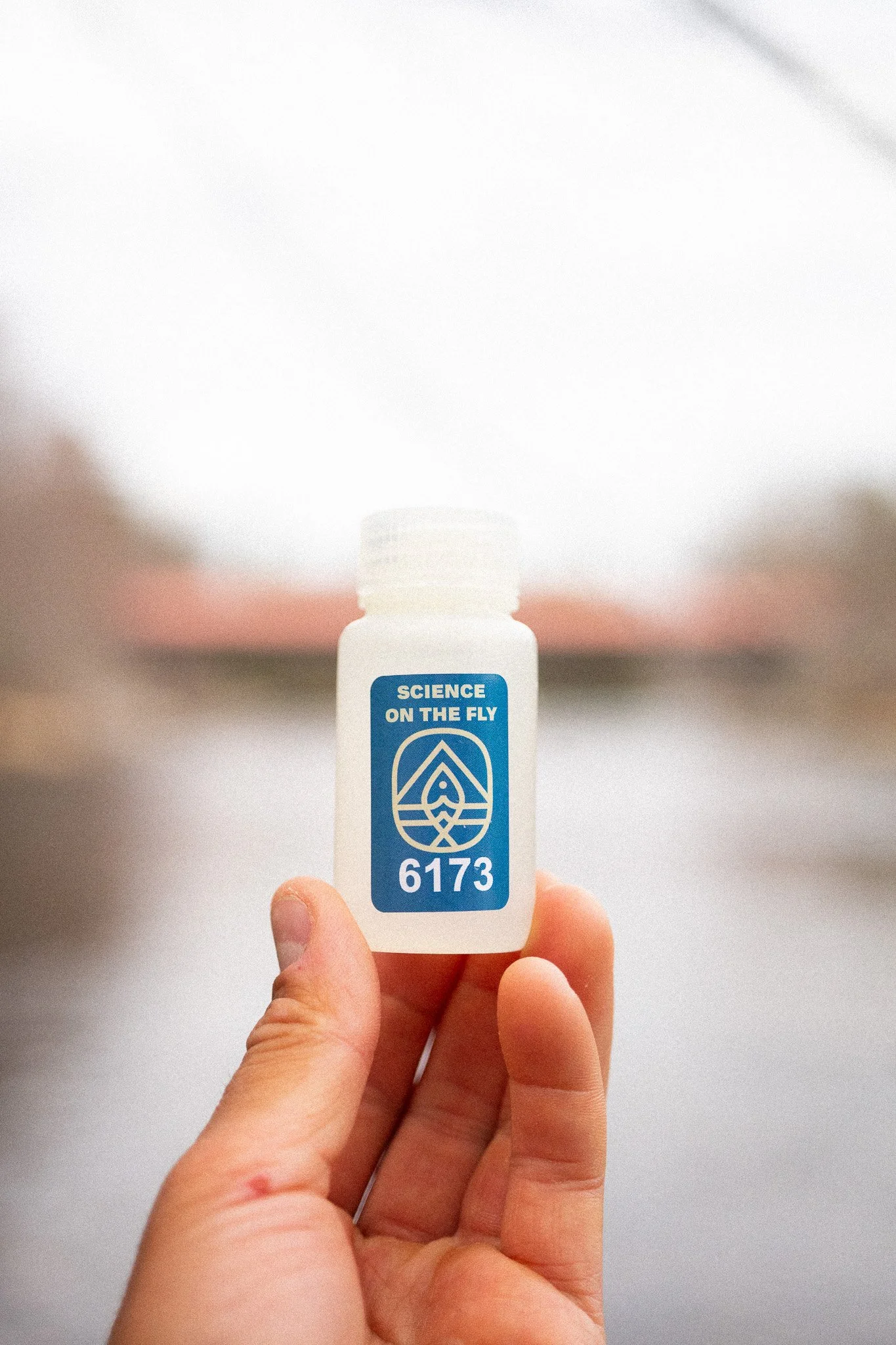
Sample bottle for Science on the Fly. Photo: Dominic Lentini
A complicated relationship with rivers
Lentini likens our relationship with rivers to our relationships with other people—often more complex than they appear. “I think many people go through life looking for ‘the one,’ “ he says.
“Popular culture, whether that be movies, TV, or other, dramatizes the moment of electricity when you meet the person you are meant to spend forever with. Call me a cynic, but I think that’s a farce. Relationships with people are a give and take. They require a lot of work. Some days are good, some days are bad, but we commit to growth, love and effort if we love someone. That’s what makes for a beautiful, sustainable connection. This is exactly how I feel about rivers.”
There was never a “love-at-first sight” moment when Lentini says he felt like everything clicked and he realized how much he loved rivers. Instead, it was a lifetime of getting to know his local rivers that led him to love them on a deep level.
“I snorkeled in them, watching fish, bugs and other aquatic species exist in their own world,” he says. “I floated down them. I camped next to them. I fished in them—a lot. Some days the fishing was great. Other days the rivers, and the fish were not happy to welcome me into their world. But just like two people in a disagreement, we work it out and grow from it. Ultimately, they have always been there for me. They’re willing to put in the work, and I am, too.”
Capturing a deeper relationship
Swimming and snorkeling growing up, Lentini spent tons of time with fish in their natural element, observing them in a way that, he suggests, most fishing photography fails to capture, with its heavy reliance on the grip-and-grin pose. He points out that shots like that focus more on the angler than the fish, which is out of its natural element—and emphasizes the size of the fish above all else. ”They have a beauty and elegance that’s spectacular—no matter their size.”
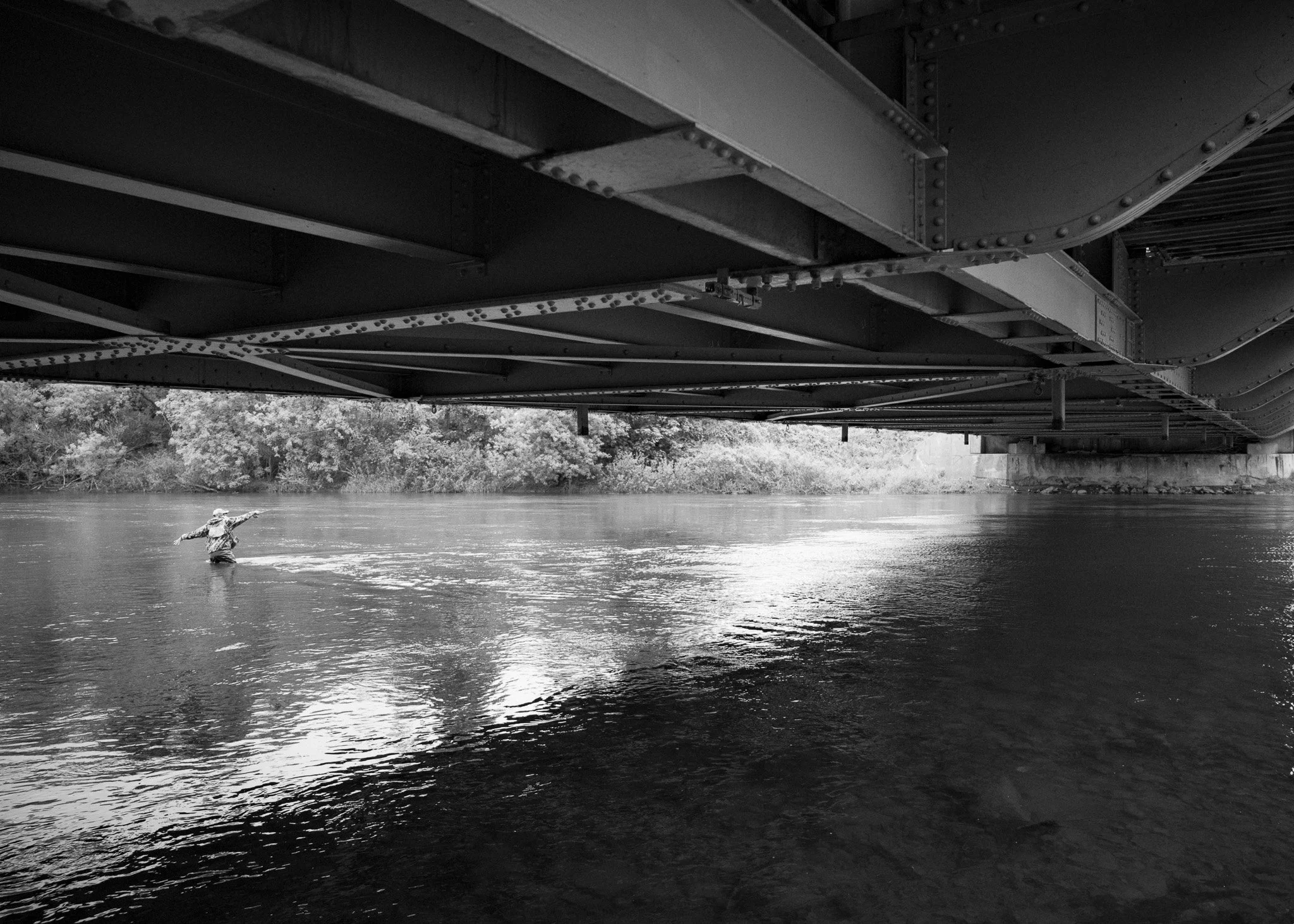
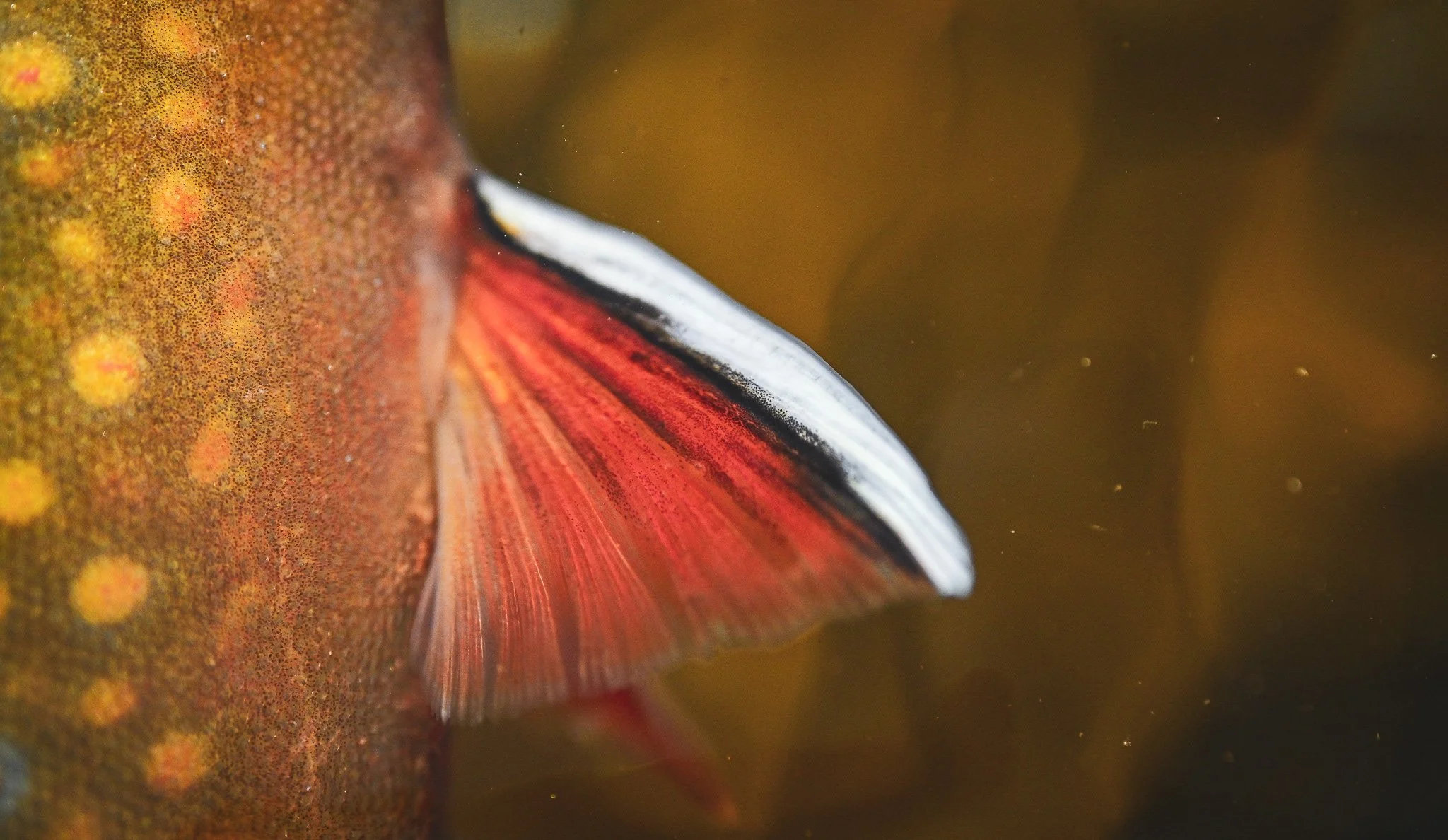
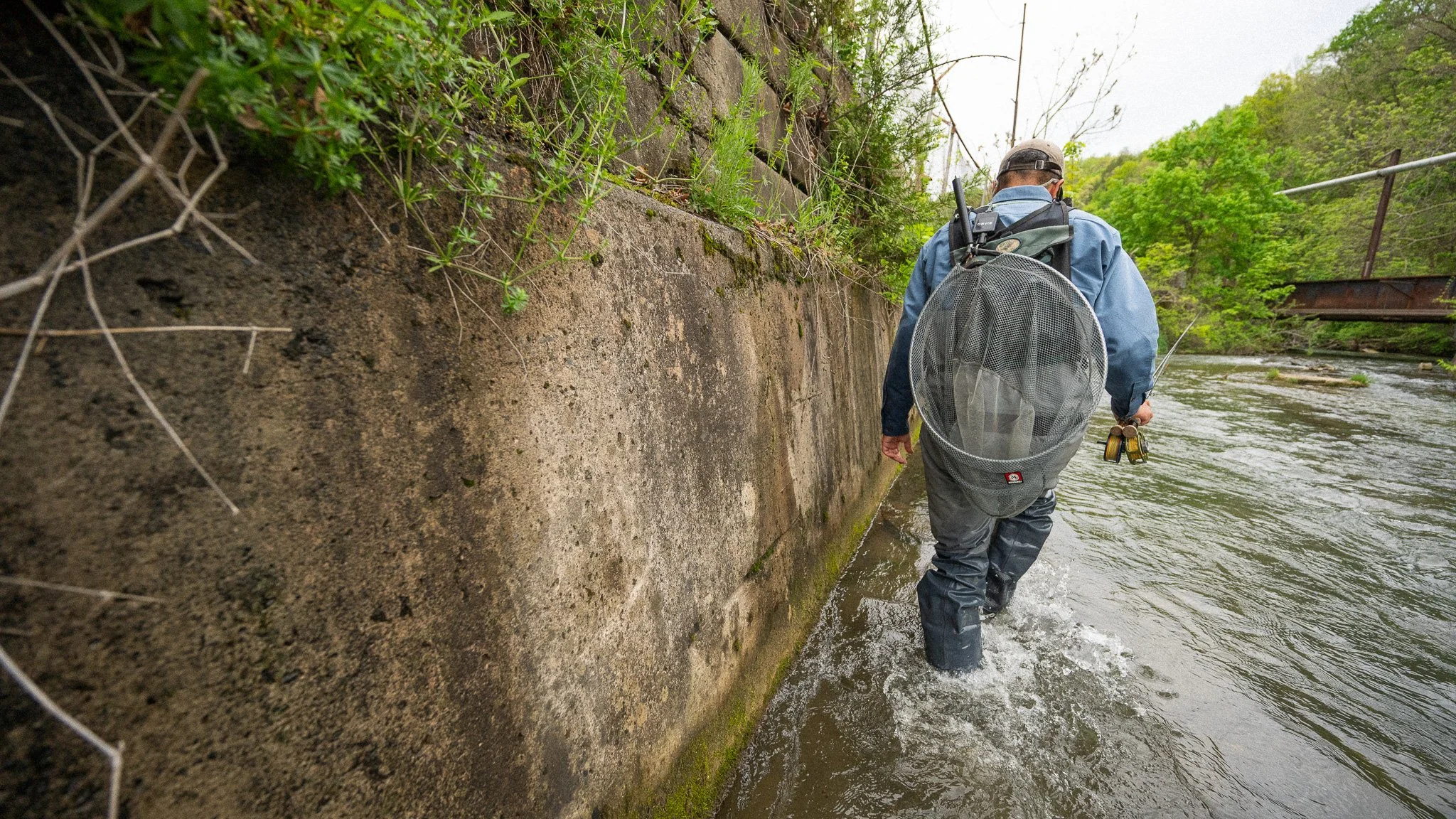
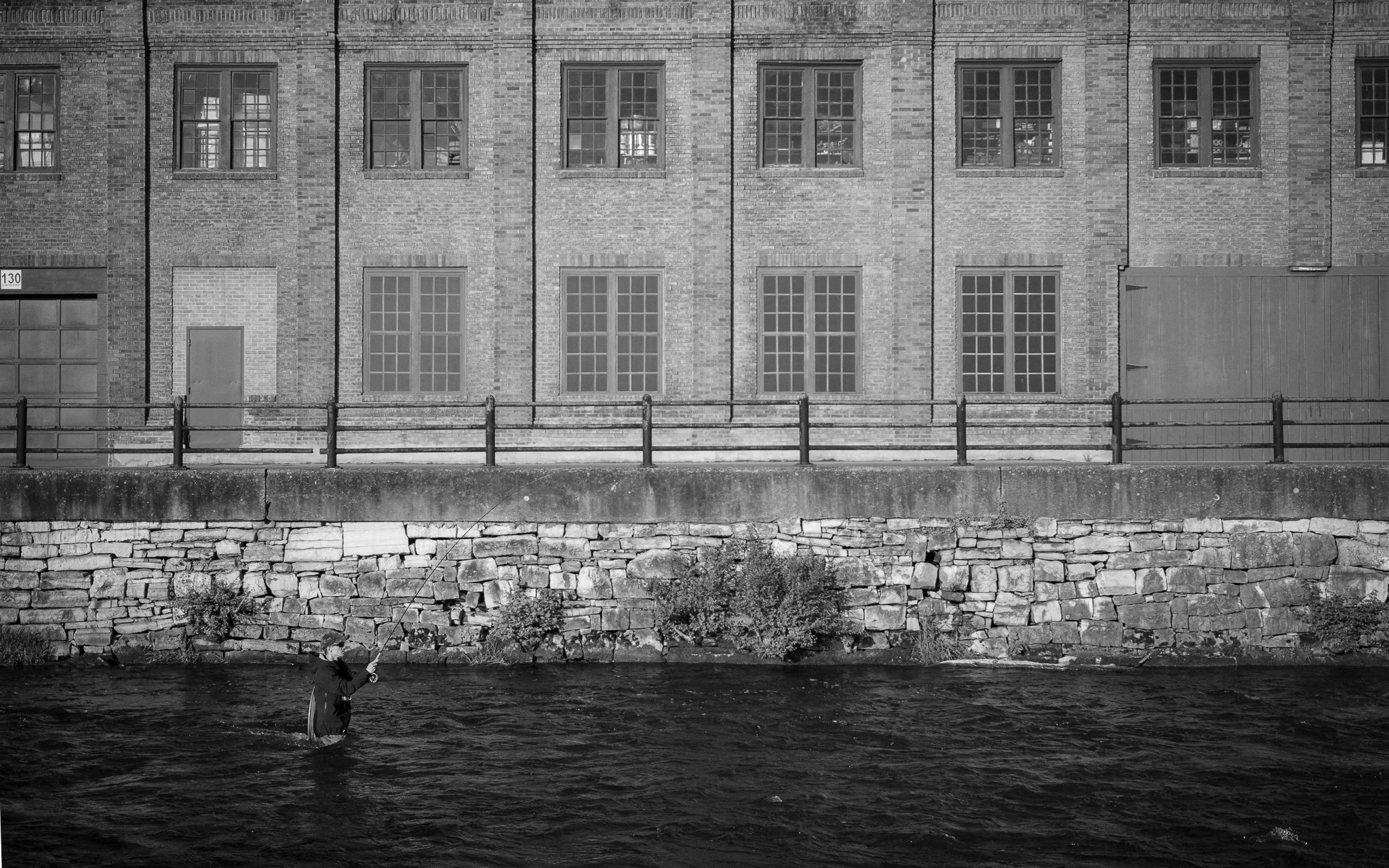
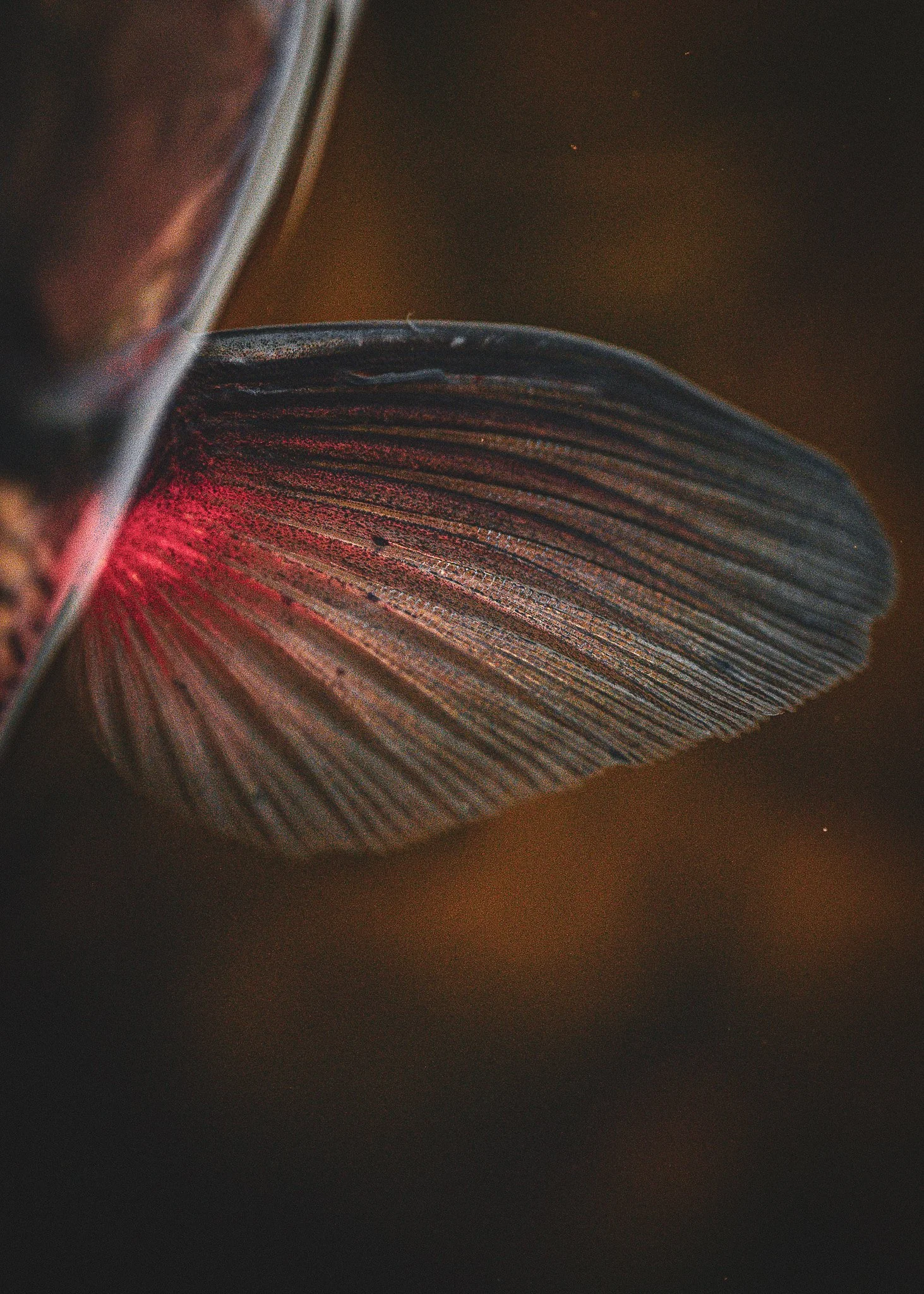
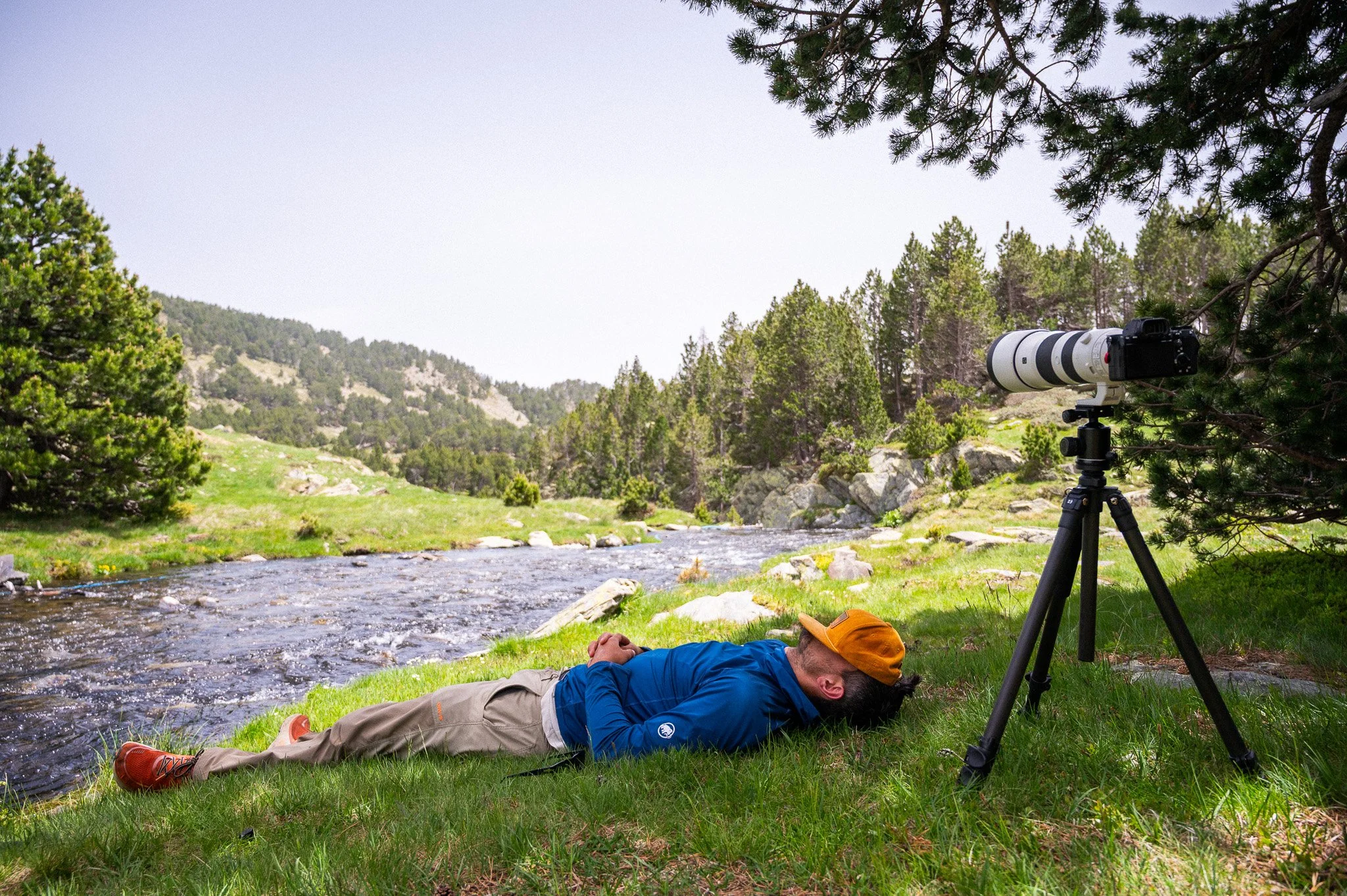
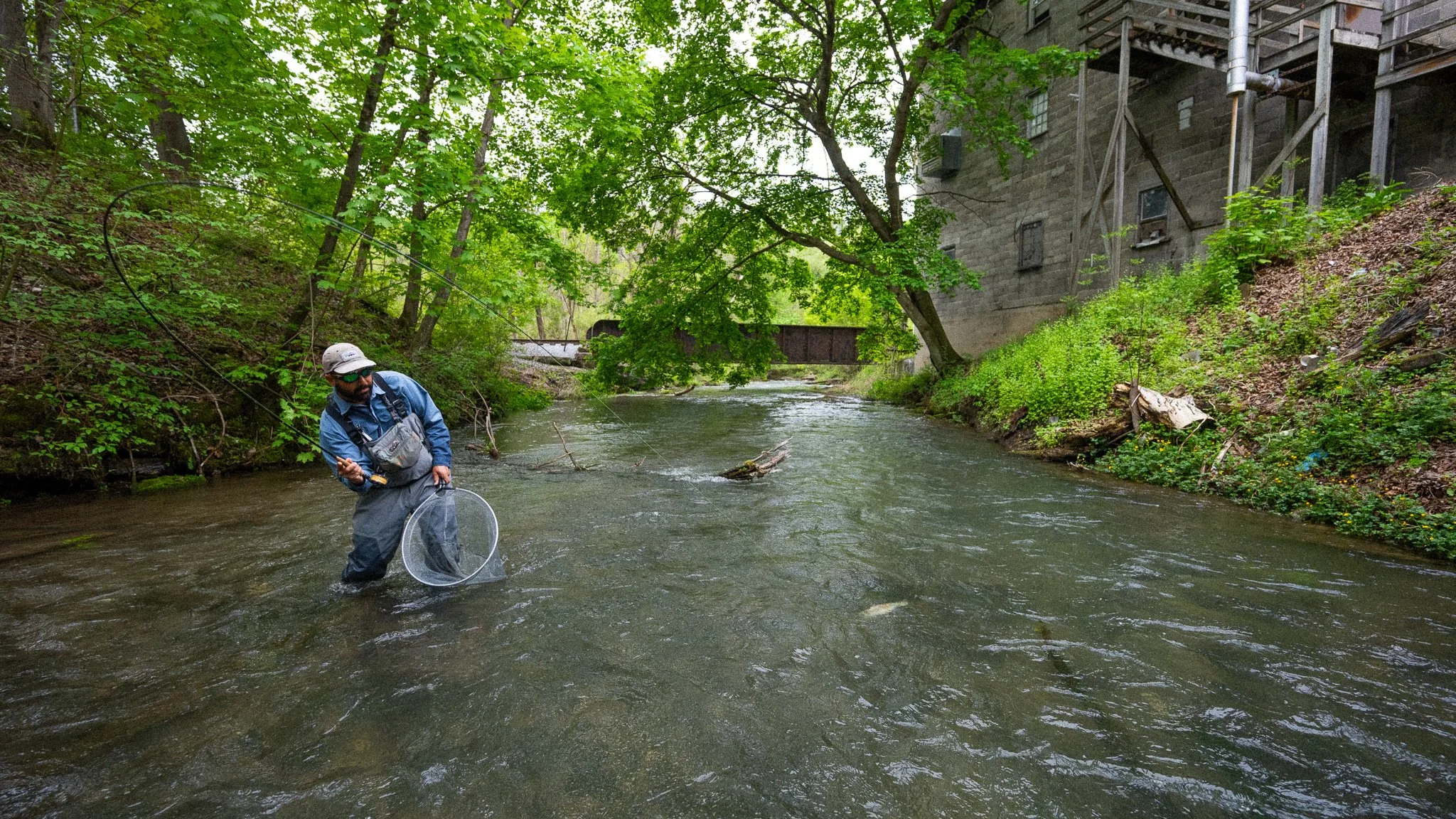
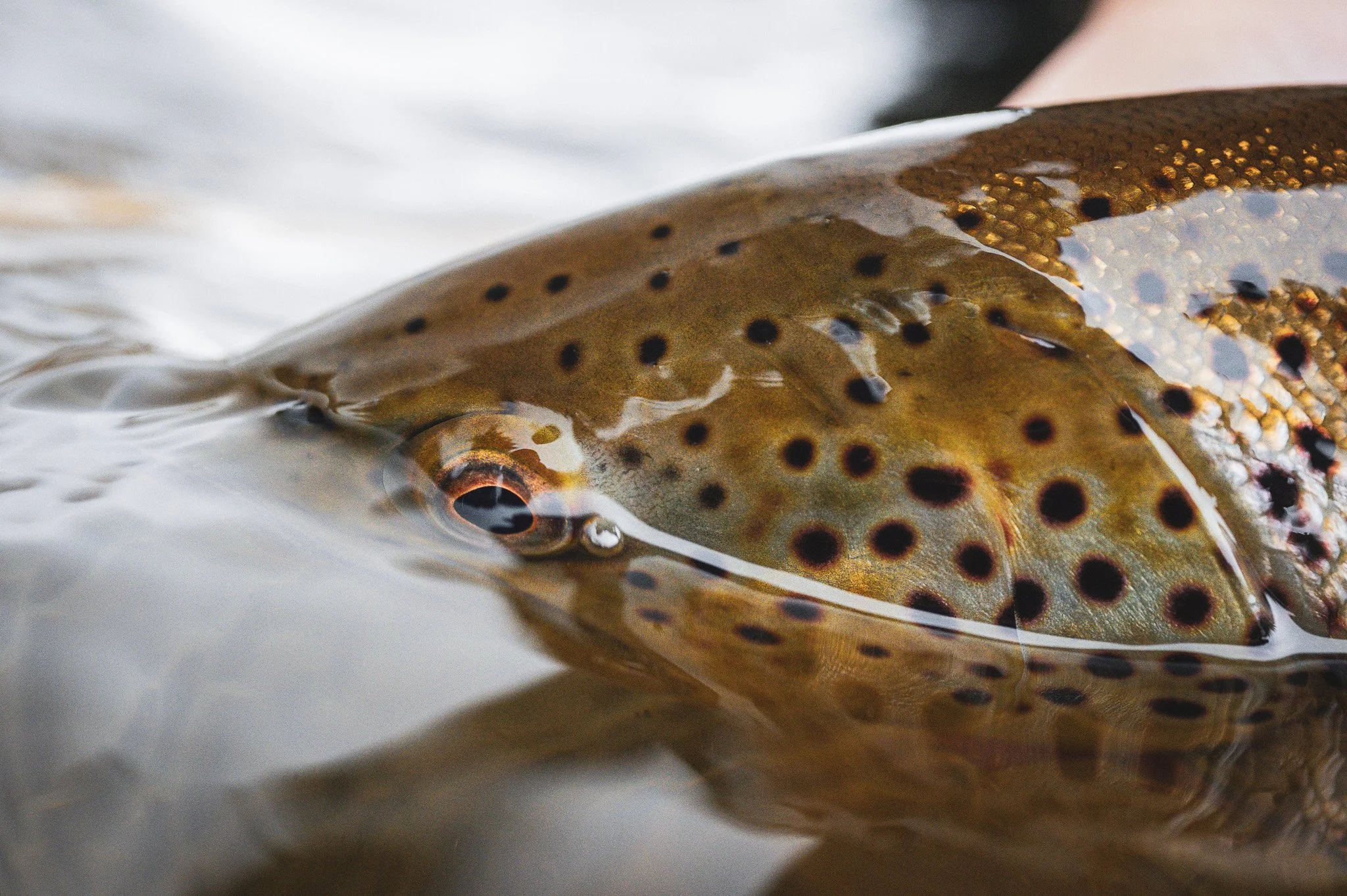
Those types of photos still have their place, he says —and you’ll definitely see a few on his Instagram account—but they can miss out on details that help us love and appreciate our fish and fisheries even more. Instead, in his photo reel you’ll find more macro photography, which removes the element of size from the equation and lets the colors, patterns and details on the fish take center stage. He also takes images of fish under the water but not shot with underwater housing, letting us view the fish in their natural element but through our own.
“I also enjoy capturing images that have nothing to do with a fish, and offer complex scenery that isn’t just a giant, beautiful mountain behind a glistening river,” he says. “Beautiful fish, fishing and experiences can be found in places you’d never expect.”
That’s what he tries to capture—encouraging people to change their perception of what the places we should love and preserve actually look like.
Give Dominic a follow: @dominicdlentini

Photo by Dominic Lentini
Thank you to all of our Community Scientists who have joined us to tell the story of your home rivers. Because at the end of the day, when you protect a river, you protect the whole system—including the people in it. Rivers don’t shut down. Fish don’t stop swimming. Climate Change doesn’t pause. Neither do we. Together, we can ensure our rivers remain vibrant for those who will come after us.
Here’s to 6 amazing years of Science on the Fly—support our continued efforts now!
